


Self-Storage Facility Injuries in Palmdale: When Owners and Operators May Be Liable
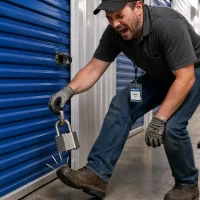
A defective roll-up door, damaged loading ramp, or falling structural component at a Palmdale self-storage facility can cause serious injuries. Customers may suffer fractures, head injuries, or lasting back problems while accessing their rented units or moving belongings through the property. When these accidents result from unsafe conditions that should have been addressed, the facility owner or operator may be responsible under California law.
Determining liability can become more complicated when a storage facility and its tenants have different responsibilities for maintaining the property. Working with an experienced Palmdale premises liability lawyer can help establish who was responsible for the condition that caused the injury and whether negligence contributed to the accident.
Common Causes of Injuries at Self-Storage Facilities
Self-storage facilities have features that create safety concerns beyond those commonly encountered in retail stores or office buildings. Customers regularly move bulky furniture and other belongings through narrow corridors, loading areas, and storage units, often relying on carts or hand trucks to transport heavier items.
Many facilities also have overhead storage-unit doors, concrete access ramps, and shared walkways that require ongoing maintenance. Outdoor storage properties in Palmdale may have equipment and walking surfaces exposed to prolonged sunlight and extreme summer temperatures, which can contribute to deterioration of certain materials over time.
Damaged equipment and neglected common areas can place customers at risk, particularly when they are carrying heavy belongings or moving through unfamiliar parts of the property.
Injuries Caused by Defective Roll-Up Storage Doors
Roll-up storage doors rely on springs, tracks, cables, and other mechanical components to operate safely. When these parts deteriorate or malfunction, a door may become difficult to raise, move unpredictably, or close without warning. A customer struggling to lift a defective door may suffer a shoulder or back injury, while a door that suddenly drops can cause fractures, crush injuries, or serious head trauma.
Facility operators generally must exercise reasonable care in maintaining doors and structural equipment under their control. A door that repeatedly slips from its tracks, becomes unusually difficult to operate, or fails to remain open may require inspection and repair before customers can safely continue using it.
Responsibility may be disputed when a tenant damages or modifies a door. The operator’s maintenance obligations, knowledge of the defect, and opportunity to discover the damage can all affect whether the facility bears liability for the resulting injuries.
Dangerous Access Ramps and Common Walkways
Storage facilities typically provide shared driveways, loading zones, corridors, and walkways that customers use while transporting their belongings. Cracked concrete, uneven pavement, loose metal ramp plates, and deteriorating walking surfaces can cause someone carrying furniture or pushing a loaded hand truck to lose balance.
Loading ramps can be particularly hazardous because customers may have difficulty controlling heavy carts on sloped surfaces. Inadequate traction, damaged transitions between the ramp and surrounding pavement, or an unexpected change in elevation can lead to falls involving both the customer and the belongings being transported.
Property owners and operators generally must use reasonable care to maintain common areas under their control. A facility that allows a visibly deteriorating ramp or damaged walkway to remain in use may be liable when the condition causes an injury and the circumstances establish that reasonable maintenance would have addressed the hazard.
Falling Storage-Unit Components and Structural Defects
Loose door tracks, damaged ceiling panels, unsecured lighting fixtures, and deteriorating partitions can cause serious injuries when components detach from a storage unit or surrounding building. Customers may be working directly beneath these fixtures while lifting furniture, stacking boxes, or retrieving belongings, leaving little opportunity to avoid a falling object.
Some structural failures develop gradually as fasteners loosen, metal components corrode, or materials deteriorate with continued use. A damaged partition may become unstable after repeated impacts, while an overhead fixture may eventually detach if its mounting hardware is no longer secure. Falling components can strike customers or cause them to lose their balance while handling heavy belongings.
Injuries involving permanent building components may support a premises liability claim when the owner or operator was responsible for maintaining the defective structure. Corrosion, missing fasteners, and previous repairs may help establish whether the component had deteriorated before the accident. When structural equipment was improperly installed or repaired, the work performed by an outside contractor may also require examination.
When Storage Facility Tenants May Be Liable
Under California Civil Code § 1714, property owners and others generally owe a duty to exercise reasonable care to avoid causing injuries. In premises liability cases, ownership, possession, and control of the property help determine who bears responsibility for maintaining reasonably safe conditions. Self-storage operators typically control shared areas and building systems, while tenants ordinarily control how they arrange and store their personal belongings inside rented units.
Furniture, boxes, or other belongings left in a shared hallway can create a dangerous obstruction. Although the tenant who left the items may be responsible, the facility operator may also face liability if employees knew or reasonably should have discovered the hazard and failed to address it. Inside a rented unit, an accident involving improperly stacked belongings or personal shelving may primarily concern the tenant’s own actions, particularly when the operator had no control over how those items were stored.
Rental agreements may help clarify which party is responsible for particular maintenance and repair obligations, although their terms do not necessarily eliminate duties imposed by California law. When the negligence of both a tenant and a facility operator contributes to an accident, responsibility may be shared.
How Notice of a Dangerous Condition Affects Liability
A self-storage operator may be aware of a dangerous condition because customers have reported it or employees have observed the problem. Repeated complaints about a malfunctioning roll-up door may establish that management knew repairs were necessary before someone was injured. Under California premises liability law, an operator may also be responsible for hazards that reasonable inspections should have uncovered.
California Civil Jury Instruction CACI No. 1011 addresses constructive notice, including whether a dangerous condition existed long enough that a property owner exercising reasonable care should have discovered it. A damaged ramp that remained unrepaired for several weeks may raise concerns about the facility’s inspection practices, even if management claims no one reported the defect.
Belongings left in a shared hallway moments before an accident may present a different situation if employees had no reasonable opportunity to discover the obstruction. An operator’s responsibility may also depend on whether the hazard was created by its own employees rather than another tenant.
Under CACI No. 1003, the central considerations include the risk created by the condition, the operator’s actual or constructive knowledge, and whether reasonable measures were taken to address it.
Evidence Following an Accident at a Storage Facility
Self-storage facilities often have surveillance cameras covering entrances, loading zones, driveways, and common corridors. Footage may show how an accident occurred or reveal whether a dangerous condition existed before someone was injured. Because recordings can be overwritten, requesting that relevant footage be preserved may help protect evidence.
Maintenance records, repair requests, and inspection logs can provide information about defective roll-up doors, damaged ramps, or recurring structural problems. Earlier customer complaints may also establish whether facility management had been alerted to a hazard before the accident. Photographs taken shortly afterward can document a damaged walking surface, broken door mechanism, or fallen component before repairs change the scene.
Customers should report accidents to facility management and seek appropriate medical attention, particularly after a fall or an impact involving the head, neck, or back. Medical records can document the injuries and treatment required, while photographs and witness accounts help establish the condition that caused the accident.
Compensation for Injuries at Palmdale Self-Storage Facilities
An accident involving a heavy storage-unit door or unsafe loading ramp can result in injuries requiring surgery, physical therapy, or prolonged rehabilitation. Fractures, spinal injuries, torn ligaments, and traumatic brain injuries may prevent someone from returning to work or carrying out ordinary daily activities. Some injuries also require future treatment or leave lasting physical limitations.
Under California law, a person injured because of another party’s negligence may be entitled to compensation for medical expenses, lost earnings, future medical care, and diminished earning capacity. Non-economic damages may also be available for physical pain, emotional suffering, and loss of enjoyment of life.
A facility operator or its insurer may argue that the customer contributed to the accident by mishandling a roll-up door, improperly transporting belongings, or losing control of a loaded cart. California follows a pure comparative negligence system, meaning a person’s percentage of fault can reduce the damages recovered without necessarily preventing compensation altogether. The allocation of responsibility depends on the evidence concerning each party’s conduct.
Identifying Responsible Parties After a Self-Storage Accident
Some self-storage properties are owned and managed by the same company, while others operate through separate property owners, management companies, and maintenance contractors. A management company may oversee daily operations, while outside contractors service roll-up doors or perform structural repairs. The property owner may retain responsibility for other aspects of the building.
Maintenance contracts, repair records, and management agreements may help identify which companies had authority over the equipment or area involved in the accident. If a door failed following improper repair work, the company that performed the service may need to be examined alongside the facility operator. The parties named in a claim should reflect their actual involvement rather than their connection to the property alone.
Identifying the companies responsible for a self-storage accident can be difficult when ownership, management, and maintenance are handled separately. Guidance from a knowledgeable Palmdale premises liability lawyer can help determine which parties should be held accountable and pursue compensation from those whose negligence caused the injuries.
Contact Kistler Law Firm
If you suffered an injury at a self-storage facility in Palmdale or elsewhere in the Antelope Valley, you may be facing substantial medical expenses, time away from work, and a difficult recovery. Injuries caused by defective equipment or unsafe property conditions can have lasting consequences, particularly when they interfere with your ability to work or care for your family.
Contact Kistler Law Firm to speak with a trusted Palmdale premises liability lawyer and learn how our firm can help you hold negligent parties accountable and pursue the compensation you may be entitled to under California law. We offer free consultations.
