


Wrong-Way Car Accidents on SR-14: When Drivers Enter Against Traffic
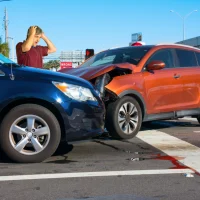
A driver traveling the wrong way on State Route 14 can leave oncoming motorists with little time to avoid a head-on collision. At freeway speeds, even a quick attempt to change lanes or brake may not prevent a serious impact. For someone injured while traveling through Palmdale or the Antelope Valley, the consequences can extend far beyond the crash itself.
One of the first concerns after a wrong-way accident is how another vehicle entered the freeway in the opposite direction. The driver may have turned onto an exit ramp or continued past warnings that should have alerted them to the mistake. Working with an experienced Palmdale car accident lawyer can help determine how the wrong-way collision occurred and whether another driver’s negligence contributed to the injuries.
How Drivers Enter SR-14 in the Wrong Direction
A wrong-way collision may begin when a motorist turns onto a freeway exit ramp instead of the intended entrance. The mistake can place the vehicle against the normal flow of traffic before the driver realizes where the ramp leads.
At interchanges where entrance and exit ramps sit close together, a motorist may approach the wrong ramp while turning from a surface street. After dark, unfamiliar surroundings can make the mistake harder to recognize. The driver may continue along the ramp, expecting to merge onto the freeway, only to encounter vehicles approaching from the opposite direction.
Once the vehicle reaches the main freeway lanes, the driver may be traveling directly toward motorists moving at highway speeds. Some drivers recognize the mistake and try to stop, while others continue into traffic without understanding how they entered the freeway incorrectly.
The wrong turn may have occurred some distance from the eventual collision, leaving those struck by the vehicle with little indication of where the danger began.
Impaired Driving and Wrong-Way Collisions
Alcohol impairment has been identified as a major contributor to wrong-way freeway crashes in California. A driver who has been drinking may misjudge an interchange or fail to recognize that an exit ramp is intended for vehicles leaving the freeway.
Impairment can also affect what happens after the vehicle enters against traffic. Approaching headlights and red reflective markers may provide warnings that the driver is traveling in the wrong direction. Someone under the influence may fail to recognize those warnings or respond before reaching oncoming vehicles.
Drug impairment can produce similar concerns. Certain medications may also interfere with driving ability, particularly when they cause drowsiness or affect awareness.
After a serious collision, officers may document signs of impairment and arrange chemical testing when appropriate. Toxicology results, together with observations made at the scene, may help establish whether alcohol or drugs affected the driver’s ability to recognize the wrong-way entry or respond to approaching traffic.
Ramp Signage and Roadway Configuration
California freeway exit ramps generally use warning signs to discourage motorists from entering in the wrong direction. Red-and-white “DO NOT ENTER” and “WRONG WAY” signs are intended to alert approaching drivers before they travel farther onto the ramp.
An exit ramp that meets a surface street at an unusual angle may be harder to distinguish from the proper freeway entrance, particularly at night. Missing signs or warnings obscured by vegetation can create additional concerns when a driver enters the wrong ramp.
The condition of the roadway at the time of the accident may also require examination. A warning sign that was damaged before the collision presents a different situation from one that was properly installed and visible to approaching motorists. Maintenance records and previous complaints may help establish whether a hazardous condition had been reported.
A confusing interchange does not automatically make a public agency responsible for a wrong-way accident. Under California Government Code Section 835, liability for a dangerous condition of public property depends on specific requirements, including the condition’s role in causing the injury. Government Code Section 830.6 may also provide design immunity when its requirements are met.
A potential roadway claim must account for the condition of the interchange and the legal protections that may apply to the public agency responsible for it.
When a Driver Continues Against Freeway Traffic
A driver who mistakenly enters SR-14 through an exit ramp may travel some distance before recognizing that traffic is approaching from the opposite direction. The opportunity to correct that mistake can narrow quickly once the vehicle reaches the main freeway lanes.
Wrong-way signs and red reflective pavement markers are intended to warn motorists traveling against traffic. A driver may also encounter approaching headlights or vehicles moving out of the way. Continuing toward oncoming traffic despite those warnings can increase the risk of a head-on collision.
California Vehicle Code Section 21651 prohibits driving on the wrong side of a divided highway, subject to the statute’s provisions. A violation may be relevant when determining responsibility for a collision involving a wrong-way motorist.
Drivers are expected to exercise reasonable care, including when they become confused or make an initial navigation mistake. The circumstances surrounding the entry and the driver’s conduct afterward may both affect whether negligence contributed to the crash.
Reconstructing the Wrong-Way Driver’s Route Before the Crash
A head-on collision on SR-14 may leave extensive damage without showing how the wrong-way driver reached the freeway. Investigators may need to trace the vehicle’s movements back to the interchange where it entered against traffic.
Surveillance cameras near a freeway ramp may capture the vehicle approaching from a surface street and making the wrong turn. Dashcam recordings from passing motorists can provide information about how far the driver traveled before the collision. Witnesses who saw the vehicle earlier may remember where it entered or whether it continued against traffic for some distance.
Vehicle navigation records, when available, may help establish the route traveled before the accident. Event data from the vehicle may also provide information about braking and speed immediately before impact, although these systems do not necessarily record the entire journey.
Physical evidence from the collision scene can help establish how the vehicles came together. Damage patterns and roadway marks may provide information about their positions and movement during the final moments.
Camera recordings can be overwritten, and damaged signs may be replaced following an accident. Preserving available footage and documenting roadway conditions early can prevent valuable details from disappearing before the wrong-way driver’s route has been established.
Serious Injuries and Liability After an SR-14 Head-On Collision
A head-on collision on SR-14 can leave drivers and passengers with severe injuries, particularly when the vehicles are traveling in opposite directions at freeway speeds. Some survivors require multiple surgeries and months of rehabilitation before they can begin returning to their usual activities. Others face permanent limitations that change their ability to work or care for their families.
Medical expenses may continue accumulating long after the initial hospitalization. Someone recovering from a traumatic brain injury or serious spinal injury may need ongoing treatment and assistance with daily activities. Lost income can place additional pressure on families already adjusting to an uncertain recovery.
When a wrong-way driver’s negligence causes the collision, California law may allow those injured to pursue compensation for medical expenses, lost earnings, pain and suffering, and other recoverable losses. If a dangerous roadway condition also contributed to the accident, a separate claim involving the responsible public entity may warrant examination.
For families facing a lengthy recovery after a wrong-way collision, guidance from a knowledgeable Palmdale car accident lawyer can help pursue a claim against those responsible and seek compensation for the lasting effects of the injuries.
Contact Kistler Law Firm
If you or someone you love was seriously injured in a wrong-way car accident on SR-14, you may be facing a long recovery and significant financial uncertainty. When another driver’s negligence causes a head-on collision, California law may allow you to recover compensation for your injuries and related losses.
Kistler Law Firm represents people injured in serious car accidents throughout Palmdale and the Antelope Valley. Contact Kistler Law Firm today to speak with a trusted Palmdale car accident lawyer and learn how we can fight for the full compensation you deserve under California law.
