


Hazardous Material Truck Accidents: Who Is Liable When Dangerous Cargo Spills?
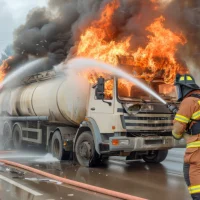
A hazardous material truck accident can cause far more than the injuries associated with the initial impact. A tanker may rupture during a rollover. Containers inside a trailer can break open when cargo shifts or the trailer is crushed. Flammable liquids, corrosive chemicals, compressed gases, and other regulated materials may then reach nearby vehicles, the roadway, or surrounding property.
After a hazardous-material collision in Palmdale or elsewhere in the Antelope Valley, the cargo itself may become part of the liability analysis. When a spill, fire, or chemical release increases the harm, guidance from an experienced Palmdale truck accident lawyer can help determine whether a failure involving the load supports a claim against another responsible company.
Why Hazardous Material Truck Accidents Can Cause Harm Beyond the Impact
Commercial trucks can cause catastrophic injuries because of their size and weight. Hazardous cargo creates another source of danger when the material escapes after impact.
A tanker carrying a flammable liquid may ignite during a rollover. Corrosive material can spread across the pavement and reach nearby vehicles, while toxic vapors may make it unsafe to remain close to the truck. A leaking cargo tank can also force motorists away from disabled vehicles while firefighters establish a safe perimeter.
Rescue may become more difficult when emergency crews cannot immediately approach an overturned truck or reach an occupant without first identifying the substance involved. Someone already suffering fractures or head trauma may also develop burns, respiratory problems, or skin and eye injuries after chemical exposure.
The truck crash and the hazardous-material release may occur within seconds of each other, but they can produce different injuries and different questions about responsibility.
What Qualifications Do Hazmat Truck Drivers Need?
Transporting regulated materials requires knowledge beyond ordinary commercial freight. Depending on the cargo and vehicle, federal rules require a commercial driver to hold the appropriate hazardous-material endorsement.
Drivers hauling these loads must also understand the material being transported and the safety information that accompanies it. Placards, shipping papers, emergency instructions, and precautions specific to the cargo can become critical when a leak or equipment problem develops.
A driver without proper hazmat training may fail to recognize damaged packaging, leaking equipment, or another condition that makes continued transportation unsafe. The Federal Motor Carrier Safety Administration establishes driver qualification requirements, while federal hazardous-material rules govern many of the additional responsibilities associated with transporting regulated cargo.
Assigning hazardous freight to a driver who lacks the required endorsement or training creates a safety problem tied directly to the nature of the load.
When Packaging or Securement Allows Hazardous Cargo to Escape
Hazardous material must remain contained while a truck accelerates, brakes, turns, and travels over normal road surfaces. Federal transportation rules require packages to be secured against shifting and protect valves and fittings from conditions that could damage them during transportation.
Containers that are not properly secured may strike each other or the inside of a trailer during impact. A damaged closure can release liquid or vapor even when the trailer remains largely intact. Packaging that is unsuitable for the substance being carried may also be less capable of withstanding the forces generated by a rollover or high-speed collision.
Cargo tanks raise different concerns. Manhole closures, valves, fittings, and discharge systems are intended to keep the load contained. If one of those components is unsecured, damaged, or unable to seal properly, the force of a collision can allow hazardous material to escape.
A loading or containment problem may therefore determine why one crash remains a traffic collision while another develops into a fire, chemical spill, or toxic exposure emergency.
Why Shipping Papers Matter After a Hazmat Crash
Firefighters approaching an overturned tanker need to know what substance is inside it. The response to a flammable liquid can be very different from the precautions required for a toxic gas or corrosive chemical.
Hazardous-material shipments generally travel with shipping papers and emergency-response information identifying the cargo and its hazards. Accurate documentation provides information about fire or explosion risks, exposure concerns, and the initial response to a leak or spill.
Incorrect or unavailable information can delay that response. Firefighters may need to remain farther from the truck while the substance is identified, and paramedics treating chemical exposure may need reliable information before deciding how to proceed safely.
Shipping papers also establish what was placed on the truck before departure. A discrepancy between the paperwork and the substance actually being carried can become significant when the release complicates rescue efforts or contributes to additional injuries.
Who Can Be Liable for a Hazardous Material Truck Accident?
The company responsible for causing the collision may not be the only business responsible for the resulting harm.
A truck driver may cause the impact through unsafe driving while a separate cargo failure allows hazardous material to spill across the roadway. Improper classification or packaging may originate with the business that prepared the shipment. Incorrect loading or securement may involve another company.
The motor carrier may bear responsibility when the release is connected to its handling of the cargo or its decision to assign the load to an unqualified driver.
Consider a tanker that is struck because another driver fails to yield but begins leaking through a closure that was not properly secured. The traffic collision and the chemical release have different causes, even though both occur during the same accident.
Responsibility can follow the specific failure that caused the additional harm. Burns, chemical exposure, contamination, or extensive property damage may therefore involve parties that would not ordinarily appear in a claim arising from the impact alone.
Chemical Exposure Can Cause Additional Medical and Property Losses
Traumatic injuries from a truck collision are often apparent immediately. Chemical exposure can develop differently.
Someone trapped near a leaking tanker may inhale fumes before rescue crews can reach the vehicle. A motorist leaving a damaged car may unknowingly come into contact with material spread across the roadway. Fire following a release can cause severe burns in addition to injuries already suffered during impact.
Breathing problems, burning eyes, skin irritation, dizziness, nausea, and other symptoms may begin at the scene or become more apparent afterward. Emergency records can document symptoms close in time to the exposure, while follow-up treatment may show whether respiratory problems, burns, or other conditions continued beyond the initial care.
Property damage may also extend beyond repairing a collision-damaged vehicle. Chemical contamination can affect vehicle interiors, clothing, personal belongings, or nearby property. Some substances require specialized cleaning, while severely contaminated property may need to be replaced rather than repaired.
What Evidence Can Show Why Hazardous Cargo Escaped?
Roadway evidence can establish how the truck crashed. Hazmat-specific evidence can explain why the cargo escaped.
Photographs taken before cleanup may show damaged containers, leaking valves, placards, spilled material, or the condition of a tanker after impact. Shipping papers can identify the substance and quantity being transported, while loading records may establish how the shipment was prepared before departure.
Reports from fire departments and hazmat teams can document the location of the release, how far the material spread, and the conditions responders encountered while containing it. Those details may not appear in the ordinary traffic collision report.
Important cargo records may also be held by companies that never appear on the police report. When the handling or containment of the load may affect liability, early guidance from a Palmdale truck accident lawyer can help preserve evidence before records are lost or routinely discarded.
Contact Kistler Law Firm
A hazardous-material truck crash can leave families facing traumatic injuries, chemical exposure, burns, extensive property damage, and uncertainty over why the cargo escaped. A failure involving packaging, loading, driver qualifications, or containment may have increased the severity of the collision long before emergency crews reached the scene.
Kistler Law Firm represents clients in serious commercial truck accident claims throughout Palmdale and the Antelope Valley. Contact Kistler Law Firm today to speak with a trusted Palmdale truck accident lawyer and learn how our firm can help protect the right to compensation after a hazardous-material truck accident.
