


Fire and Smoke Injuries in Palmdale: When Building Safety Failures Make a Fire More Dangerous
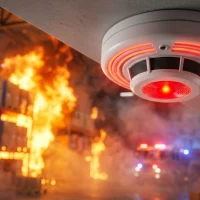
A fire inside a store, restaurant, office building, or other commercial property can become dangerous within moments. Smoke can make familiar hallways difficult to navigate, visibility can disappear, and people may have only a short time to reach safety. When an exit is blocked or a fire alarm fails to provide an adequate warning, occupants can lose critical time before they realize what is happening.
A commercial building fire may start accidentally and still become far more dangerous because of conditions inside the property. A blocked exit can delay people trying to leave, while a failed alarm can leave customers or employees unaware that smoke is spreading nearby. After an evacuation goes dangerously wrong, working with an experienced Palmdale premises liability lawyer can help determine how the building functioned during the fire.
The Property Owner Does Not Have to Start the Fire
A fire can begin accidentally and still become far more dangerous because of conditions inside the building. An electrical malfunction in restaurant equipment might ignite the flames while a blocked rear exit prevents employees from leaving quickly. A fire in one section of a retail building may have an accidental origin, but customers elsewhere may remain unaware of the danger because an alarm does not sound.
Someone who could have walked outside safely during the first moments of a fire may face very different conditions only minutes later. Smoke can reach a hallway, heat can make a doorway unusable, or occupants can be pushed toward an unfamiliar part of the building when their usual route is no longer available.
Falls can occur when smoke hides stairs or changes in floor level. Several people trying to reach the same doorway can also create congestion near an exit. By then, injuries may result not only from the flames themselves but from the conditions occupants encounter while trying to get outside.
Blocked or Unusable Exits Can Turn a Fire Into a Trap
A rear doorway partially blocked by stored boxes may seem like a minor inconvenience during an ordinary business day. Once smoke begins filling the building, the same obstruction can keep people from moving through the doorway quickly.
Other exit problems may not become apparent until someone needs the door immediately. Damaged panic hardware can make an emergency exit difficult to open. A locked door can force occupants back into the building, while merchandise, furniture, or equipment can narrow the space available along an exit route.
In heavy smoke, an obstruction that would be easy to avoid or move during normal business hours can become difficult to see or reach. Someone trying to escape may already be coughing, struggling with visibility, or following other occupants toward the closest doorway.
A jammed or blocked exit can leave people inside while the hallway behind them continues filling with smoke. It can also force more occupants toward the remaining doors, creating another obstacle to a quick evacuation in a crowded restaurant, store, office, or entertainment space.
Malfunctioning Fire Alarms Can Delay an Evacuation
Early warning gives customers and employees time to leave before smoke reaches the areas they occupy. A malfunctioning fire alarm can take away much of that time.
A partial alarm failure can delay people working in a stockroom, office, kitchen, or rear section of the building. Someone near the fire may already know there is an emergency while occupants farther away continue working, shopping, or waiting for service without realizing they need to leave.
Without an effective alarm, the first warning may be the smell of smoke, another person shouting, or customers suddenly moving toward an exit. People unfamiliar with the building can be especially vulnerable because they may not know where another exit is located if their usual route becomes unusable.
By the time those occupants realize there is a fire, smoke may already have reached the hallway or exit they would normally use.
Inoperable Sprinklers Can Allow a Fire to Spread Faster
Where sprinkler protection is required or already installed, a failure in the affected area can give a developing fire more time to spread.
Sprinklers are intended to respond while a fire is still growing. If the system does not operate where the fire begins, flames can continue spreading before firefighters arrive.
A malfunction does not necessarily affect every sprinkler in the building. Problems involving valves, damaged components, or a section of the system can leave part of the property without working suppression even though equipment remains visible elsewhere.
Flames and smoke can then reach adjoining rooms, corridors, or exit routes before everyone has left the building. A path that was available when the fire began may no longer be safe by the time occupants farther away receive a warning.
Fire-Safety Violations Can Reveal Problems That Were Never Corrected
A fire can expose safety problems that had already been identified before the emergency. An earlier inspection may have found defective emergency lighting, damaged exit hardware, or another condition that remained unresolved while the building continued operating.
Emergency lighting becomes especially important when normal power is interrupted or smoke makes a corridor difficult to see. Illuminated exit signs can help customers find a route they have never used before. Fire-rated doors can help limit the movement of smoke and flames between parts of a building when they close and function properly.
An ordered repair that was never completed can leave occupants depending on equipment that management already knew needed attention. Repeated inspection findings can also show that a problem survived more than one opportunity for correction.
A safety violation matters most when the same unresolved condition affects what happens during the fire. A dark exit corridor, damaged emergency door, or fire door that does not function properly can change how quickly occupants are able to get away from smoke and heat.
Repeated Fire-Safety Problems Can Show What Management Knew
A door that sticks once presents a different history from one employees have struggled to open for months.
The same is true of an alarm that repeatedly produces faults or an exit light that regularly stops working. A fire door may have been left propped open so often that employees stopped treating it as unusual. Storage can gradually spread into an exit route and remain there through weeks of ordinary business operations.
Managers, employees, and maintenance personnel may encounter those same areas every day. A rear exit used routinely for deliveries, for example, is difficult to separate from the people responsible for operating the business when the obstruction has remained in place over time.
Prior complaints can make that history even clearer. An employee may have reported that an exit would not open properly, or maintenance may have been called more than once for the same alarm problem. Those earlier events can become important when the condition is later described as an unexpected failure during the fire.
Fire Records Can Reconstruct Conditions Before Repairs Change the Building
A commercial property can change quickly after a fire. Doors may be replaced, alarm systems repaired, debris removed, and blocked areas cleared before an injured occupant has an opportunity to see the property again.
Fire department reports can preserve observations made close to the time of the incident. Building inspection and correction records may document earlier safety problems, while alarm service records can show recurring faults or repairs. Alarm-panel event logs may also help establish when the system detected a problem or issued a warning.
Sprinkler inspection and service records can provide similar information about fire-suppression equipment. Security footage may show smoke entering a corridor, people attempting to use an exit, or employees reacting before an evacuation begins.
For commercial properties in Palmdale, fire-prevention and inspection records may also involve the Los Angeles County Fire Department’s Palmdale Fire Prevention office.
Witnesses can preserve details that mechanical records do not. A customer may remember trying a door that would not open. An employee may know that the same door had caused problems before. Someone in another part of the building may be able to describe when an alarm was first heard or what the exit route looked like as smoke spread.
Repairs can erase evidence of how the building functioned during the fire. Early legal guidance from a Palmdale premises liability lawyer can help preserve that history before it is lost.
Contact Kistler Law Firm
If you suffered burns, smoke inhalation, or another serious injury during a commercial building fire, the source of the flames may not fully explain why you were unable to reach safety. Unsafe exits, failed fire-protection systems, or other building conditions may have left you inside as the fire became more dangerous.
Kistler Law Firm represents people injured by unsafe property conditions in Palmdale and throughout the Antelope Valley. Contact Kistler Law Firm today to speak with a trusted Palmdale premises liability lawyer and learn how we can protect your right to compensation after a serious commercial building fire.
