
Bus Accidents at Transit Stops in Palmdale: When Passengers Are Injured Before Boarding
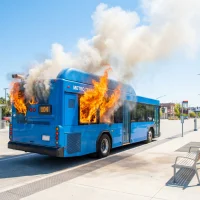
Passengers waiting for a bus in Palmdale may be exposed to serious injuries before they ever step aboard. A bus that pulls too close to the sidewalk, strikes someone with a side mirror, or mounts a curb can injure people standing in an area designated for public transportation. These collisions can happen quickly, leaving passengers little time to move out of the vehicle’s path.
Antelope Valley Transit Authority (AVTA) operates routes throughout Palmdale, including services connecting residents to the Palmdale Transportation Center and Tom Lackey Transit Center. When an approaching bus strikes someone waiting at a stop, questions may arise about the driver’s conduct, the safety of the boarding area, and the transit agency’s responsibilities. Working with an experienced Palmdale bus accident lawyer can help identify the parties responsible for the accident and pursue compensation under California law.
How Passengers Are Injured at Palmdale Bus Stops
Bus stops bring large vehicles into close proximity with pedestrians, particularly during busy commuting hours. Passengers may be standing near the curb, approaching the designated boarding area, or moving around others waiting for the same route. Limited sidewalk space can leave little room between the waiting area and an arriving bus.
Side mirrors are a particular concern because they extend beyond the vehicle’s body. A bus may pass close enough to strike someone’s head or shoulder even when its tires remain within the roadway. The force of the impact can knock the person onto the sidewalk or into nearby traffic.
Other accidents occur when a bus mounts the curb while entering a stop. A vehicle approaching at an improper angle may cross into the pedestrian waiting area, where passengers have little opportunity to avoid contact. Crowded stops can make these situations especially dangerous because people may be unable to move away from the approaching vehicle.
Bus Driver Duties When Approaching Transit Stops
Bus drivers must operate their vehicles with reasonable care for pedestrians waiting near the roadway. Approaching a designated stop requires attention to the surrounding traffic, the position of waiting passengers, and the space available to bring the vehicle safely alongside the curb.
Drivers are expected to account for the dimensions and handling characteristics of their buses. Mirrors, front overhangs, and the vehicle’s turning radius affect how much clearance is needed when entering a boarding area. A driver who approaches too quickly or misjudges the available space may place nearby passengers at risk.
Under California Civil Code section 2100, bus operators owe their passengers a heightened duty of care. That standard may also apply before someone boards, depending on whether the passenger-carrier relationship has already begun. Someone injured while waiting at a bus stop may still pursue a negligence claim if the driver failed to exercise reasonable care around pedestrians.
Transit Agency Training and Bus Operator Safety Practices
Operating a transit bus requires specialized training in vehicle control, pedestrian awareness, and passenger pickup procedures. Drivers must understand how the vehicle moves during turns, how to judge clearance near sidewalks, and how to approach stops where passengers are gathered close to the roadway.
Transit agencies and transportation contractors may establish operating procedures that address these hazards. Training programs can include supervised driving, instruction on maneuvering near pedestrians, and procedures for responding when a stop cannot be approached safely.
An accident may warrant examination of the driver’s qualifications, training history, and compliance with established operating procedures. Records of previous complaints or similar incidents may also reveal whether the employer had been alerted to unsafe driving practices.
If a transit agency receives repeated complaints about a driver’s unsafe approaches to bus stops but allows those practices to continue without appropriate corrective action, its handling of those warnings may support a claim involving inadequate supervision.
Unsafe Transit-Stop Design and Public Property Liability
The physical layout of a bus stop can expose waiting passengers to hazards even when they remain within the designated pedestrian area. Narrow sidewalks, poorly positioned shelters, and inadequate separation from moving traffic may leave passengers with insufficient room to wait safely.
At some locations, benches, signs, utility poles, or other fixtures reduce the available sidewalk space. Passengers using wheelchairs, walkers, or other mobility aids may face additional difficulties navigating these areas. Damaged pavement and uneven curbs can further restrict access to the boarding location.
Transit-stop design may become part of a personal injury claim when a dangerous property condition contributes to the accident. California Government Code section 835 permits claims against public entities for injuries caused by dangerous conditions of public property when the statutory requirements are met.
A claim generally requires proof that the entity owned or controlled the property, that a dangerous condition created a reasonably foreseeable risk of injury, and that the condition contributed to the harm. The injured person must also establish that the condition was created through qualifying employee conduct or that the public entity had sufficient notice and time to protect against it.
In Palmdale, responsibility for a particular transit stop may involve the city, a transportation authority, or another public entity. The agency operating the bus may differ from the entity responsible for maintaining the sidewalk, shelter, or boarding area.
Surveillance Footage and Evidence After a Bus Stop Accident
Bus stop collisions can be difficult to reconstruct, particularly when the passenger who was struck has little recollection of the impact. Surveillance recordings may help establish the vehicle’s movements and the location of nearby pedestrians immediately before the accident.
Transit buses may carry onboard cameras that record passenger doors, portions of the exterior, or activity around the vehicle. Additional footage may be available from transportation facilities, nearby businesses, or traffic cameras.
Recordings can show whether the bus entered the designated waiting area, how closely it passed the curb, and whether passengers were visible as the driver approached. Witness statements and photographs taken shortly after the collision may help establish details that are difficult to determine from video alone.
Vehicle inspection reports and maintenance records may also be relevant when mechanical problems are suspected. Brake defects, steering issues, or damaged mirrors can require a different examination from accidents involving driver positioning or speed.
Surveillance systems often retain recordings for limited periods. Promptly requesting preservation of relevant footage, vehicle records, and incident reports can help prevent evidence from being lost before the circumstances of the accident are fully examined.
Injuries and Compensation Following a Bus Stop Collision
A collision involving a full-size transit bus can cause serious injuries even at relatively low speeds. Someone struck by a side mirror may suffer head trauma, facial fractures, or neck injuries. A passenger knocked onto the pavement may sustain broken bones, spinal injuries, or damage to the shoulders and hips.
More severe impacts can result in crushing injuries, traumatic brain injuries, or permanent physical disabilities. Recovery may involve hospitalization, surgery, rehabilitation, and ongoing medical care. For someone who relies on public transportation to maintain independence, an injury that limits mobility can also make ordinary activities substantially more difficult.
Under California law, compensation in a successful personal injury claim may include medical expenses, lost wages, diminished earning capacity, and pain and suffering. The long-term effects of an injury, including chronic pain or permanent limitations, may also be considered when determining recoverable damages.
California Government Claims Deadlines for Public Transit Accidents
When a bus accident involves a public transit agency or another government entity, California’s Government Claims Act may impose additional requirements before a lawsuit can proceed. These requirements can apply to claims involving negligent bus operation as well as injuries caused by dangerous conditions of public property.
Under California Government Code section 911.2, personal injury claims against public entities generally must be presented within six months after the claim accrues. Presenting the administrative claim is a separate step from filing a lawsuit, and additional deadlines may apply after the entity responds.
The appropriate claim recipient depends on which public entity may be legally responsible. Accidents involving a transportation authority, a municipality, and a private operating contractor may require examination of their respective roles before the correct filing procedures can be determined.
Because the administrative claim period can be considerably shorter than the deadline that ordinarily applies to a personal injury lawsuit, obtaining legal guidance promptly can help preserve the right to pursue compensation.
Contact Kistler Law Firm
If you were injured while waiting for or approaching a bus at a transit stop in Palmdale or elsewhere in the Antelope Valley, you may be facing substantial medical expenses, time away from work, and a difficult recovery. Injuries involving large transit vehicles can have lasting consequences, particularly when they interfere with mobility, employment, or everyday activities.
