
Pedestrian Accidents at Commercial Driveways in Palmdale: When Drivers Fail to Yield
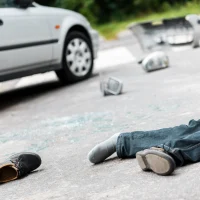
Walking past a shopping center, restaurant, or gas station in Palmdale often means crossing driveways where vehicles enter and exit throughout the day. Although these entrances interrupt the sidewalk, pedestrians may continue along the same walking path while drivers concentrate on turning into traffic or finding an opening between passing vehicles. A collision can happen when a motorist moves across the sidewalk without noticing someone directly ahead.
These accidents can leave pedestrians with serious injuries, particularly when a turning vehicle knocks someone to the pavement or runs over their feet or legs. Early legal guidance from a knowledgeable Palmdale pedestrian accident lawyer can help establish how the collision occurred and whether the driver’s negligence contributed to the pedestrian’s injuries.
Pedestrian Risks at Commercial Driveway Entrances
Commercial driveways bring vehicle and pedestrian traffic together in a relatively small space. Along busy corridors in Palmdale, shopping centers and other businesses may have multiple entrances connecting parking areas to public streets. People walking along the sidewalk must cross these entrances while vehicles turn in and out.
The design of a driveway can affect how much space pedestrians have and how vehicles approach the sidewalk. Wide entrances may allow drivers to complete turns without slowing as much as they would at narrower access points. Where the sidewalk runs close to the roadway, pedestrians may have little separation from vehicles entering the property.
Clear markings are sometimes absent where sidewalks continue across commercial entrances. Someone walking along an established pedestrian path may encounter a driver who treats the same space as part of the driveway. During busy shopping hours, vehicles entering and leaving in quick succession can make these encounters more frequent.
Drivers Exiting Shopping Centers May Overlook Pedestrians
Leaving a shopping center often requires drivers to cross the sidewalk before reaching the street. As they search for an opening in traffic, their attention may shift away from people approaching the driveway.
A motorist may look left for approaching vehicles, check the opposite direction, and begin moving once an opening appears. During those moments, someone may already be crossing the driveway. If the driver fails to check the sidewalk again before accelerating, the vehicle can strike the pedestrian.
Collisions also occur when vehicles turn from the street into a commercial property. A driver making a right turn may concentrate on slowing down and entering the driveway, while someone walking along the sidewalk approaches from the same direction. Left-turning drivers may be focused on clearing opposing traffic before completing their turn.
California Law Requires Drivers to Yield Before Crossing Sidewalks
California Vehicle Code Section 21952 requires drivers to yield the right-of-way to pedestrians approaching along a sidewalk before driving over or onto it. This protection applies when a vehicle crosses a sidewalk to enter or leave a commercial driveway.
People continuing along the sidewalk retain that right-of-way even though their walking path passes through an entrance used by vehicles. Motorists must account for pedestrians approaching from either direction before crossing.
Drivers leaving private or public property must also comply with California Vehicle Code Section 21804, which requires them to yield to approaching highway traffic when it presents an immediate hazard. This obligation operates alongside the separate duty to yield to pedestrians on the sidewalk.
A motorist leaving a shopping center may need to wait for both pedestrians and roadway traffic before proceeding. When a driver crosses the sidewalk without yielding, that conduct may support a negligence claim under California law.
Obstructed Sightlines at Commercial Driveway Entrances
Landscaping, signs, walls, and parked vehicles can interfere with visibility at commercial driveway entrances. Someone approaching from behind a row of shrubs or a building corner may be difficult to see until reaching the driveway.
Visibility can also be affected by the driver’s vehicle. Windshield pillars may temporarily obstruct portions of the sidewalk during a turn, particularly when a pedestrian is moving toward the same point.
Drivers approaching entrances with limited sightlines must exercise reasonable care under the conditions. Slowing down and checking the sidewalk before proceeding can reduce the risk of striking someone walking across the driveway.
Photographs taken from the driver’s perspective may show whether landscaping, signs, or parked vehicles obstructed the sidewalk. If a commercial property owner maintained a condition that contributed to the collision, its responsibility may also warrant investigation.
Vehicles Blocking Sidewalks Can Force Pedestrians Into Traffic
A driver leaving a busy commercial property may pull forward and stop across the sidewalk while waiting for a gap in roadway traffic. When the vehicle occupies the pedestrian walkway, someone approaching the entrance may have difficulty continuing along the sidewalk.
California Vehicle Code Section 21970 generally prohibits unnecessarily stopping a vehicle in a manner that blocks a sidewalk or marked or unmarked crosswalk.
Pedestrians encountering a blocked sidewalk may try to pass in front of or behind the stopped vehicle. Walking around the obstruction can bring someone closer to the roadway or into an area where the driver has limited visibility.
A motorist may begin moving just as the pedestrian passes in front of the vehicle. Someone who believed the vehicle was stopped may have little time to react before being struck.
Evidence Used to Investigate Commercial Driveway Pedestrian Accidents
Commercial driveway collisions frequently occur near stores, restaurants, and other businesses with security cameras. Video footage may capture the pedestrian approaching the entrance, the vehicle’s turning movement, and the moments immediately before impact.
Nearby employees, customers, and passing motorists may also have witnessed the collision. Their accounts can help establish whether the vehicle stopped, how quickly it moved, and where the pedestrian was walking.
Vehicle damage, debris, pavement markings, and photographs of the driveway may help investigators identify where the pedestrian was struck. Measurements can establish the width of the entrance and the position of the sidewalk relative to the driver’s approach.
Surveillance recordings may be overwritten as part of a business’s routine security system. Obtaining available footage promptly can preserve details that might otherwise be lost, especially when the driver and pedestrian provide different accounts of what happened.
Serious Injuries Following Commercial Driveway Pedestrian Accidents
Even a relatively low-speed collision can cause significant injuries when a vehicle strikes someone walking across a driveway. A pedestrian may be knocked onto the pavement, suffering a fractured hip, broken wrist, head injury, or damage to the knees and legs.
Some accidents involve a vehicle running over a pedestrian’s foot or lower leg. These incidents can cause crushing injuries, nerve damage, or fractures requiring surgery and extended rehabilitation. Older adults and people with existing mobility limitations may face additional challenges returning to their usual activities.
Recovery can extend well beyond the initial medical treatment. Injured pedestrians may need assistance walking, driving, or completing household responsibilities while recovering. Time away from employment and ongoing rehabilitation can create additional financial pressure.
Under California law, an injured pedestrian may pursue compensation for medical expenses, lost income, future treatment needs, pain and suffering, and other losses resulting from another party’s negligence.
Comparative Fault in Commercial Driveway Pedestrian Accidents
Disputes sometimes arise when a driver claims the pedestrian crossed unexpectedly or walked too close to the vehicle. The location of the pedestrian, the timing of the driver’s movement, and the available visibility can affect how responsibility is assessed.
California follows a pure comparative fault system. If an injured pedestrian is found partly responsible for a collision, compensation is generally reduced by that person’s percentage of fault rather than eliminated entirely.
When fault is disputed, the pedestrian’s position and movements before impact may help establish whether either party contributed to the collision. The driver’s actions must also be considered, including whether the motorist yielded before crossing the sidewalk.
An experienced Palmdale pedestrian accident lawyer can examine disputed fault allegations and the evidence surrounding the collision to help protect the injured pedestrian’s right to compensation.
Contact Kistler Law Firm
If you or a loved one was struck by a vehicle entering or exiting a commercial driveway in Palmdale, you may be facing painful injuries, unexpected medical expenses, and time away from work. A driver may claim the pedestrian was difficult to see or appeared suddenly, but the available evidence may tell a different story.
Kistler Law Firm, APC represents injured pedestrians and their families throughout Palmdale and the Antelope Valley. Contact our firm today to speak with a trusted Palmdale pedestrian accident lawyer and learn how we can help you pursue the compensation available under California law.
