
When a Driver Hits a Pedestrian Using a Wheelchair or Mobility Device
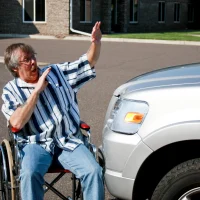
Crossing a street can require more time and planning for someone who uses a wheelchair, mobility scooter, walker, or another assistive device. A curb ramp may determine where the crossing begins. Uneven pavement can slow a wheelchair or make each step with a walker more difficult. A powered scooter may need additional room to turn before entering the crosswalk. Drivers approaching the intersection still have to account for the person already moving through it.
These pedestrian accidents are not limited to marked intersections. Someone using a mobility device can be struck while crossing a driveway, moving through a parking lot, or traveling along an accessible route near traffic. In each setting, the pedestrian may have limited ability to change direction quickly once a vehicle enters the same space. Working with an experienced Palmdale pedestrian accident lawyer can help preserve evidence before details about the crossing or the driver’s view are lost.
People Using Wheelchairs and Mobility Devices Are Pedestrians Under California Law
California law recognizes people using certain assistive mobility devices as pedestrians. Someone crossing in a wheelchair or using another qualifying device does not give up pedestrian protections because the method of movement is different.
That distinction is practical as well as legal. A manual wheelchair user may need additional time to move over cracked pavement or a raised joint. Someone relying on a walker may take shorter, more deliberate steps. A powered wheelchair or scooter may enter from a curb ramp at an angle before straightening into the crosswalk.
Drivers have to respond to the pedestrian who is actually there. A person who takes longer to complete a crossing remains in the driver’s path until the crossing is finished. Turning as soon as traffic opens or a signal changes can put the vehicle directly in front of someone who is still moving toward the opposite curb.
Crossing Signals May Leave Some Pedestrians Needing More Time
A pedestrian countdown signal measures time, but people do not all cross at the same pace. For someone using a wheelchair, walker, or scooter, a few seconds may be lost negotiating a curb ramp or rough section of pavement before the person is fully underway.
Consider a pedestrian who enters with the walk signal and begins crossing normally. Halfway through, the countdown reaches its final seconds. A driver waiting to turn sees the traffic light change and begins moving while the pedestrian is still crossing. What looks afterward like a pedestrian who remained in the street too long may have begun as an ordinary crossing that simply took more time.
Right turns create another common conflict. Drivers often look left for an opening in vehicle traffic before beginning the turn. During those same seconds, a person using a mobility device may continue across from the driver’s right. By the time the driver looks back toward the turn, the wheelchair or walker may already be directly in the vehicle’s path.
Signal timing and available video may show the sequence far more clearly than recollections given after the crash. Footage can capture when the pedestrian entered, how quickly the person was moving, and when the vehicle began its turn.
Curb Ramps Can Change the Route Into a Crosswalk
A standing pedestrian usually has some flexibility about where to approach the curb. Someone using a wheelchair or mobility scooter often has far fewer choices. The curb ramp may be the only usable path between the sidewalk and the street.
Its direction can shape the entire crossing. A ramp pointing diagonally into an intersection may require a wheelchair user to enter at an angle and then turn toward the opposite curb. A scooter may need a wider arc. Someone using a walker may slow considerably when transitioning from the ramp onto the pavement.
Conditions around the ramp can alter that route again. Debris, cracked pavement, parked vehicles, landscaping, construction barriers, or utility equipment may narrow the usable space. A blocked ramp may require a person to approach from another direction or travel farther into an area exposed to vehicles.
Photographs taken soon after the accident can preserve these conditions. The relationship between the ramp, crosswalk, traffic lane, and surrounding obstructions may explain why the pedestrian entered from a particular position or remained closer to moving vehicles than a driver expected.
A Wheelchair or Scooter May Sit Below a Driver’s Normal Line of Sight
Wheelchair and mobility scooter users generally sit lower than standing pedestrians. Around large vehicles and roadside obstructions, that lower position can affect when a driver first sees them.
A wheelchair approaching from behind a parked SUV may remain obscured until it reaches the edge of the vehicle. The same thing can happen near pickup trucks, landscaping, utility boxes, or temporary construction barriers. A standing pedestrian’s upper body might already be visible while someone seated remains partially hidden.
Vehicle design can add another layer. Drivers in trucks and SUVs may have areas close to the vehicle that are harder to see, particularly during turns or when backing. Parking lots and driveways create similar conflicts when a driver begins moving while a pedestrian using a scooter or wheelchair is passing behind or beside the vehicle.
Once the pedestrian comes into view, the timing of the driver’s movement becomes part of the sequence. Surveillance footage or dash-camera video may show the wheelchair or scooter entering the driver’s field of view well before contact.
Roadway Accessibility Can Shape How the Accident Happens
Accessible infrastructure affects more than convenience. It determines where many people using mobility devices are able to travel.
A usable curb ramp may direct a pedestrian into a marked crosswalk. A damaged or obstructed ramp may send the person toward a driveway or another portion of the street. Missing pavement connections can leave someone traveling along the edge of a parking area before reaching an accessible entrance.
Construction can create temporary problems as well. Equipment, fencing, signs, or closed sidewalks may redirect pedestrians onto unfamiliar routes. Someone using a wheelchair cannot simply step over a curb or squeeze through a narrow gap when the accessible path is blocked.
When the physical layout affected where the pedestrian was traveling, photographs and video from the scene preserve more than the point of impact. They show the route that was available to someone using the device on that particular day.
A New Injury Can Compound an Existing Mobility Limitation
Someone who used a mobility device before the crash may already have developed an effective way to live, work, travel, and care for personal needs independently. A new pedestrian injury can disrupt abilities that took years to establish.
For a manual wheelchair user, the arms and shoulders may perform work that another person accomplishes with the legs. A shoulder injury can make pushing the chair painful or impossible. A fractured wrist may interfere with steering, braking, transfers, or pressure relief.
Someone who uses a walker may depend heavily on one stronger leg or arm. An injury to that limb can change a person who previously moved independently into someone who requires assistance. Injuries to the back, hips, or pelvis may also make sitting for long periods or transferring in and out of a wheelchair much harder.
A medical record may describe a shoulder strain or wrist fracture without capturing what that diagnosis means in everyday life. For someone who relied on that shoulder to propel a chair or that wrist to transfer independently, the effects reach well beyond the injured body part.
The difference often appears in ordinary routines. Dressing may take longer. Getting from bed to a wheelchair may require another person. Transportation to appointments may change. Activities that were manageable before the collision may now depend on family members, caregivers, or different equipment.
Damage to a Wheelchair or Mobility Scooter Can Create Its Own Disruption
Vehicles do not have to strike only the pedestrian’s body to cause serious consequences. A wheelchair, scooter, walker, or other device may also be damaged during impact.
Customized equipment can be costly and difficult to replace quickly. Wheelchairs are often configured around the user’s size, posture, strength, and medical needs. Seating systems, cushions, controls, footrests, and other components may be individually fitted.
A temporary replacement may keep someone mobile without restoring the same independence. Poor fit can make transfers harder or limit how long the person can remain seated comfortably. A different chair may also be incompatible with an adapted vehicle, lift, or equipment already used at home.
Repair invoices tell only part of that experience. Days or weeks without the appropriate device may mean missed work, delayed appointments, additional transportation, or more help from family and caregivers.
Life Before the Pedestrian Accident Helps Show What the Collision Changed
Pre-existing mobility limitations sometimes receive heavy attention from an insurance company. Yet a disability does not mean the person’s abilities were already the same before the accident.
Someone may have used a wheelchair for years while living independently. Another person may have walked with a mobility aid but still driven, worked, shopped, or handled personal care without assistance. A new injury can take away some of those abilities even though the underlying condition remains unchanged.
Medical records show treatment, but other information may capture those changes more clearly. Therapy records may describe new difficulty with transfers. Equipment records can show that a different chair or additional support became necessary. Family members may have taken over tasks the person previously handled alone.
A pedestrian accident claim involving an existing disability should reflect that before-and-after reality. Early guidance from a knowledgeable Palmdale pedestrian accident lawyer can help document the new limitations and connect them to the injuries caused by the collision.
Contact Kistler Law Firm
If you or someone you love was struck while using a wheelchair, mobility scooter, walker, or another assistive device in Palmdale or elsewhere in the Antelope Valley, the collision may have changed routines and abilities that were well established before the accident. New injuries, damaged mobility equipment, and added assistance can affect independence long after the initial medical treatment.
Kistler Law Firm represents people seriously injured in pedestrian accidents throughout Palmdale and the Antelope Valley. Contact Kistler Law Firm today to speak with an experienced Palmdale pedestrian accident lawyer and learn how we can help pursue compensation for the injuries and losses caused by the accident.
