


Private Charter and Tour Bus Accidents: Understanding Commercial Liability
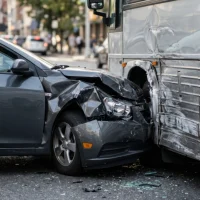
Private charter buses and tour buses carry people for very different reasons. A family may hire a motorcoach for a wedding, a church may arrange transportation for an event, or visitors may board a sightseeing bus for a day of travel. Whatever the purpose, passengers are placing their safety in the hands of a commercial transportation company that is being paid to get them to their destination safely.
After a private charter or tour bus collision, responsibility may extend well beyond the person sitting behind the wheel. Understanding who operated the bus, who employed the driver, and which company controlled the transportation service becomes an important part of the claim. Guidance from an experienced Palmdale bus accident attorney can help determine whether the charter company shares responsibility for the collision.
A Paid Passenger Trip Changes the Liability Picture
A private charter bus is not simply a large vehicle carrying a group of friends. Passengers board because a company has agreed, for payment, to provide the transportation and safely carry them to their destination.
California Civil Code § 2100 requires a carrier of persons for reward to use the utmost care and diligence for the safe carriage of its passengers. Many companies providing charter transportation, sightseeing trips, and similar services also operate within California’s regulatory framework for charter-party carriers. The carrier’s responsibilities arise from the commercial passenger relationship itself, giving a charter or tour bus accident a different liability framework from an ordinary private drive.
A speeding violation, unsafe lane change, or other driving error may explain how the bus crashed, but it does not erase the commercial relationship between the carrier and the people onboard. The company was being paid to transport its passengers safely, placing the collision in a different setting from an accident involving two private motorists.
Driver Decisions Often Reflect Company Practices
Charter and tour bus drivers frequently spend long periods behind the wheel while following itineraries created by the transportation company. On a tour trip, the same driver may spend much of the day moving passengers from one scheduled stop to the next under arrival times established before the bus leaves.
Fatigue can initially look like an individual driving failure, particularly when a collision happens late in a long travel day. The schedule behind the driver may tell a different story. A transportation company decides who is entrusted with its passenger buses and controls the assignments, training, and supervision that shape how those drivers perform on the road.
An exhausted driver near the end of a demanding itinerary presents a different liability question from a motorist who simply becomes tired during a personal trip. If a charter company created an unrealistic schedule or continued assigning passenger trips despite known concerns about a driver, the company’s own conduct can become part of the claim.
What Company Records Can Reveal After a Tour Bus Crash
The condition of a commercial bus and the history of its operation are often difficult to judge from the crash scene alone. A damaged motorcoach does not reveal when its brakes were last inspected or whether a mechanical concern had already been reported. Passengers who noticed that the driver appeared tired also have no way of knowing how long that person had been working before they boarded.
Company records can provide the history that the wrecked bus itself cannot. A repair file may show that the same mechanical concern kept returning despite earlier service. Driver records can reveal qualification or performance issues, while scheduling information may place the trip within a much longer workday than passengers realized.
A repeated brake complaint tells a different story from a mechanical failure that appeared without warning. Previous concerns about a driver also take on greater significance if the company continued assigning that person to carry groups of passengers. Records created before the collision can show whether warning signs were already present inside the transportation business.
Vehicle Ownership May Be More Complicated Than the Logo
The company name displayed across the side of a tour bus does not always tell the entire business story. A company selling or arranging the trip may operate the vehicle itself, but commercial transportation arrangements can also involve leased buses, affiliated businesses, separate vehicle owners, or another carrier hired to perform the actual transportation.
The business that accepted payment for the charter may not be the entity that owned the motorcoach or employed its driver. Contracts and operating agreements can show which company supplied the vehicle, which business controlled the transportation, and where responsibility for the operation had been placed.
The name on a passenger’s reservation may not match the name on the bus, and neither may identify the company that employed the driver. Sorting out that business structure can uncover another owner or operator whose role would be easy to miss if the claim focused only on the company passengers recognized from the trip.
Multiple Injured Passengers Put Commercial Coverage Under Pressure
A single charter bus collision can produce injury claims from passengers throughout the cabin. People seated only a few rows apart may suffer very different injuries and face very different recoveries, yet several of those claims may initially look to the same commercial insurance policy.
When numerous passengers suffer significant injuries at once, available policy limits may have to respond to all of their claims. A passenger facing surgery or long-term rehabilitation is then dealing not only with the severity of the injury but also with an insurance situation shaped by the number of other people hurt in the same collision.
Available coverage may also extend beyond the policy issued to the company whose name appeared on the bus. A separate vehicle owner, employer, or transportation company connected to the trip may carry its own insurance. Identifying those relationships can become especially important when the injuries from one bus crash place substantial pressure on the coverage first presented by an insurer.
Serious Bus Injuries Can Reshape Work and Daily Life
Inside a motorcoach, injuries can occur during and after the initial vehicle impact. A violent collision may throw passengers from their seats or send them into windows, seatbacks, the aisle, or other parts of the bus interior. Fractures, head trauma, spinal injuries, and internal injuries can leave a passenger dealing with consequences that continue well beyond emergency treatment.
A passenger who cannot return to the same job may lose income while spending months in treatment or rehabilitation. Lasting physical limitations can also change how someone manages work, family responsibilities, and everyday activities that were routine before the trip. Understanding those effects requires looking beyond the first hospital bill or the injuries described immediately after the crash.
The full effect of a bus injury may not be clear when a passenger first leaves the hospital. Treatment can continue for months, while work restrictions and physical limitations become more apparent during recovery. Consulting with a knowledgeable Palmdale bus accident attorney can help place lasting physical limitations within the full value of the injury claim.
Contact Kistler Law Firm
If you were seriously injured while traveling on a private charter, motorcoach, or sightseeing bus, the company named on the vehicle may not be the only business responsible for the collision. The contracts and operating records behind the trip can help identify the transportation companies connected to the bus and the decisions that contributed to the accident.
Kistler Law Firm represents people injured in private and commercial bus accidents throughout Palmdale and the Antelope Valley. Speak with a trusted Palmdale bus accident attorney at Kistler Law Firm to learn how we can pursue compensation from the commercial parties responsible for the crash.
