


Should You Use Your Own Insurance After a Crash That Wasn’t Your Fault?
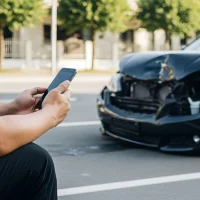
After a car accident, many people assume the at-fault driver’s insurance should pay for everything right away. That assumption makes sense. If someone else caused the crash, their insurance company should be responsible for the damage they caused. The problem is that responsibility on paper does not always help when the car is sitting at a repair shop, medical bills are arriving, and the other driver’s insurance company has not accepted responsibility.
California drivers may have coverage under their own policies that can help after a crash, even when they did nothing wrong. Med Pay, collision coverage, and uninsured or underinsured motorist coverage can provide important protection when the other insurance company is slow, the other driver has no insurance, or the available policy limits are too low. When questions arise about insurance coverage, medical bills, vehicle repairs, or settlement value, working with an experienced Palmdale car accident attorney can help you understand when using your own insurance makes sense and how it may affect your injury claim.
Your Own Insurance May Help Before Fault Is Resolved
A car accident claim can move slowly when the other driver’s insurance company is still investigating fault. The adjuster may be waiting for a police report, driver statements, photographs, vehicle inspections, or witness information. During that time, you may still need transportation, medical care, and answers about how bills will be handled.
Using your own policy does not mean you are accepting blame for the crash. It means you are using coverage you paid for while the liability claim develops. Your insurer can later seek reimbursement from the at-fault driver or that driver’s insurance company through subrogation. California’s Department of Insurance describes subrogation as the insurer’s right to recover from a third party after paying damages to its insured.
That option can make a real difference when the other insurance company is delaying a decision or disputing responsibility. Waiting may serve the other insurer’s timeline, but it does not repair your vehicle, replace lost transportation, or help you keep medical care moving.
Med Pay Can Help With Early Medical Bills
Medical Payments coverage, often called Med Pay, can help pay accident-related medical expenses for you and your passengers regardless of who caused the crash. It is optional coverage in California, and the amount available depends on the policy. Some drivers have no Med Pay. Others have a few thousand dollars or more available for covered medical expenses.
Med Pay can be useful because medical bills often arrive before a personal injury settlement. Emergency room visits, imaging, ambulance charges, follow-up appointments, and physical therapy can create immediate pressure. Med Pay can help reduce that pressure while the injury claim against the at-fault driver is still pending.
Coordination matters. Med Pay can involve reimbursement or subrogation rules, and health insurance can also claim repayment from a settlement. Using Med Pay does not eliminate the injury claim against the negligent driver. It becomes one part of the financial picture that needs to be tracked carefully so medical bills, liens, reimbursements, and settlement funds are handled correctly.
Collision Coverage Can Get Your Vehicle Repaired Faster
Collision coverage applies to damage to your own vehicle, subject to the terms of your policy and deductible. When the other driver’s insurer is slow to accept fault, collision coverage can allow repairs to begin before the liability claim is resolved. That can matter when you need your car for work, medical appointments, childcare, or daily life in the Antelope Valley.
Using collision coverage often means paying your deductible upfront. If your insurer later recovers from the at-fault party through subrogation, you can receive reimbursement for some or all of that deductible depending on the recovery and policy terms. The process is not always immediate, but it can move faster than waiting for the other insurance company to finish its investigation.
For many drivers in the Antelope Valley, the decision is practical. Waiting for the other insurance company can avoid paying a deductible at the beginning, but it can also leave the vehicle unrepaired for weeks. Using collision coverage can move the repair process forward, as long as the deductible and reimbursement timeline are understood before the claim is opened.
UM and UIM Coverage Matter When the Other Driver Cannot Pay Enough
Uninsured motorist and underinsured motorist coverage can become critical after a crash caused by a driver with no insurance or not enough insurance. California’s Department of Insurance describes uninsured and underinsured motorist coverage as protection for accidents where the other driver is at fault and lacks insurance or lacks enough insurance to cover the harm caused.
UM coverage can apply when the at-fault driver has no valid insurance. UIM coverage can apply when the at-fault driver has insurance, but the policy limits are too low for the injuries and losses involved. This issue often arises after crashes involving surgery, long-term treatment, permanent pain, lost income, or future medical needs.
These claims are made through your own insurer, but they still require proof. Liability, available coverage, and the full extent of the losses all need to be documented before the claim can be fairly evaluated. Medical records, wage documentation, photographs, vehicle damage, police reports, and treatment history can all help establish the value of the claim.
A Not-at-Fault Claim Should Not Automatically Raise Premiums
Many drivers are afraid to use their own insurance because they worry their premiums will increase. That concern is understandable, especially when insurance costs already feel high. California law provides important protection here. California Insurance Code § 491 states that a motor vehicle liability insurer’s rating plan may not increase a premium based on an accident where the insured was not at fault, as determined by the accident report or the insurer.
Insurance issues are not always simple. Rates can change for reasons unrelated to one specific crash, and insurers can investigate fault differently than a driver expects. If an insurer tries to classify the crash incorrectly, the accident report, photographs, witness statements, and other evidence often become important.
Using your own coverage after a crash you did not cause should not be treated as an admission of fault. The record still needs to show what happened, who caused the collision, and why your own policy was used while the claim against the at-fault driver continued.
Subrogation Can Affect the Final Settlement
Subrogation matters because it can change what happens after an insurance payment is made. When your insurer pays for vehicle repairs, medical bills, or other covered losses, it can seek reimbursement from the at-fault driver or that driver’s insurance company. That process helps shift the loss back to the party responsible for the crash.
The final settlement can also be affected by reimbursement rights tied to earlier insurance payments. If Med Pay, health insurance, or another benefit paid accident-related bills, those payments need to be addressed before settlement funds are distributed. Ignoring reimbursement rights can create problems later, including unpaid liens or disputes over part of the recovery.
Settlement value should be measured against the bills, benefits, deductibles, and reimbursement claims connected to the accident. A careful settlement review by a knowledgeable Palmdale car accident attorney can help determine what was paid, who is claiming repayment, and whether any claimed reimbursement can be challenged or reduced.
Contact Kistler Law Firm
If you were injured in a car accident, using your own insurance may be appropriate when the at-fault driver is uninsured, underinsured, or slow to respond. Insurance coverage questions can affect the timing, value, and direction of the claim.
Kistler Law Firm represents injured people in complex car accidents in Palmdale and throughout the Antelope Valley. Contact Kistler Law Firm today to speak with a trusted Palmdale car accident attorney and learn how we can help you understand your coverage options while protecting the value of your claim.
