


Motorcycle Crashes at Freeway On-Ramps and Off-Ramps: How Merging Traffic Causes Collisions
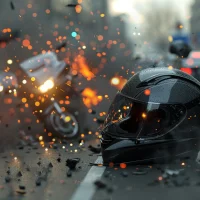
Vehicles entering SR-14 may be accelerating toward freeway traffic while other drivers are changing lanes or moving right to reach an exit. A motorcycle traveling in an established lane can end up beside a vehicle preparing to merge just as traffic ahead begins to slow, or another vehicle occupies the lane to the rider’s left. What begins as an ordinary entrance or exit can leave very little room between vehicles moving at different speeds.
Along SR-14 through Palmdale and the Antelope Valley, a driver may look toward approaching traffic without seeing a motorcycle beside the vehicle. A late move toward an exit can create a similar conflict when the driver crosses into the rider’s lane. Working with an experienced Palmdale motorcycle accident lawyer can help determine how the vehicles approached the merge and whose actions contributed to the crash.
Speed Differences Leave Less Room for Error
Traffic in a freeway lane may already be moving at highway speed as a vehicle reaches the end of an entrance lane. A driver entering SR-14 has to judge the distance and speed of approaching traffic before moving over. If the entering vehicle is still accelerating, the driver may focus on the car ahead or an opening farther down the lane without accurately judging how quickly a motorcycle is approaching from behind.
The rider’s options can narrow as soon as the vehicle begins moving over. Traffic to the left may prevent a lane change, while sudden braking at freeway speed can destabilize the motorcycle. Even when the rider recognizes the problem immediately, there may not be enough roadway to create distance before the vehicles reach the same space.
As the entrance lane ends, the time available to match freeway speed and enter traffic also decreases. A rider approaching from behind may have only seconds to respond when a slower vehicle enters the lane before reaching freeway speed.
Blind Spots Increase the Risk During Lane Changes
A motorcycle can remain outside a driver’s mirror view while traveling beside a car, SUV, or truck. A driver joining freeway traffic may begin moving left just as the rider reaches the vehicle’s side. A driver leaving the freeway can create the opposite conflict by shifting right without seeing the motorcycle beside the vehicle.
Drivers entering SR-14 may divide their attention between the roadway ahead, the end of the entrance lane, and traffic approaching from behind. Someone preparing to exit may be watching for the turnoff while judging an opening to the right. A driver who checks a mirror early and then continues watching the roadway ahead may miss a motorcycle that reaches the side of the vehicle before the lane change begins.
A motorcycle’s smaller profile can also make its distance and speed harder to judge during a quick glance. A driver who underestimates how quickly the rider is approaching may begin moving over after the motorcycle has already reached the vehicle’s side.
Last-Second Exit Maneuvers Can Lead to Serious Motorcycle Crashes
A driver who realizes an exit is approaching may brake suddenly, cross multiple lanes, or try to squeeze into a narrow opening rather than continue to the next exit. A motorcycle traveling beside or slightly behind that vehicle can be placed directly in the path of the maneuver with little warning.
The rider may brake hard or change direction to avoid the vehicle. At freeway speed, either response can destabilize the motorcycle or carry the rider toward another vehicle or barrier. A driver crossing several lanes can leave even less time for the rider to react.
Direct contact with the driver who initiated the maneuver is not required for that driver’s actions to contribute to the crash. A rider may avoid the vehicle itself but lose control during the evasive maneuver or collide with traffic farther along the roadway. Establishing what prompted the rider to brake or change direction can become central when the first vehicle leaves the scene without ever making contact.
Unsafe Lane Changes and Fault After a Motorcycle Crash
California Vehicle Code section 22107 prohibits a driver from moving right or left on a roadway until the movement can be made with reasonable safety. The law also requires an appropriate signal when another vehicle may be affected.
A turn signal does not make an unsafe lane change permissible. If the motorcycle was already established in the freeway lane, a driver entering the freeway or moving toward an exit still needs enough space to complete the maneuver safely. A rider’s presence in a driver’s blind spot also does not automatically place responsibility on the motorcyclist.
A driver may claim the motorcycle appeared unexpectedly, while the rider may recall the vehicle moving over without enough room. The vehicles’ positions before the lane change and the timing of the movement can help establish whether the motorcycle was already occupying the lane.
Damage patterns and witness accounts may also help distinguish a motorcycle that entered a closing gap from one that was already beside the vehicle when the driver began moving over.
Comparative Fault When Several Drivers Contribute to a Crash
One vehicle may enter the freeway and force the rider to change position just as another driver moves into the space the motorcycle needs. In a crowded interchange, the motorcycle may ultimately collide with a vehicle whose driver did not make the first unsafe maneuver.
California’s comparative fault system allows responsibility to be divided among multiple parties according to their contribution to a crash. A driver whose unsafe merge forced the motorcycle from its lane may share responsibility with another driver whose later movement contributed to the collision.
The rider’s actions may also be disputed. An insurer could argue that the motorcycle was traveling too quickly for traffic conditions or made an unsafe evasive maneuver. The timing of each vehicle’s movement and what the rider reasonably could have done in the seconds before the crash can affect how responsibility is divided.
When multiple insurers are involved, each may focus on another driver’s actions to reduce its own insured’s share of responsibility. Video, witness accounts, vehicle positions, and the layout of the interchange can help establish the sequence before fault is allocated.
Evidence From the Interchange After a Motorcycle Crash
Lane markings and the shape of the interchange can establish where the vehicles were when the conflict began. Photographs may capture the end of an entrance lane, the beginning of an exit lane, debris, or final vehicle positions. Available video can reveal when a vehicle crossed a lane line and how long the motorcycle was visible beforehand.
Skid marks may indicate where the motorcycle began braking, while scrape marks, debris, and vehicle damage can help establish where contact occurred. The position of the entrance or exit in relation to those marks may also show how much distance remained when a driver began changing lanes.
A driver traveling behind the motorcycle may have seen the initial lane change or the rider’s attempt to avoid another vehicle, while someone closer to the collision may have seen the motorcycle change speed or direction immediately beforehand.
For riders injured near an SR-14 entrance or exit, photographs, video, roadway evidence, and witness accounts can establish where an unsafe lane change began and how the motorcycle responded. That broader sequence can be important when the drivers disagree about who occupied the lane first or what caused the rider to take evasive action.
Serious Injuries After a Freeway-Speed Motorcycle Crash
A sideswipe or sudden evasive maneuver at freeway speed can cause a rider to lose control and strike the roadway, another vehicle, or a roadside barrier. Fractures, road rash, head and brain injuries, and injuries to the shoulders or knees may require surgery, rehabilitation, or extended time away from work.
Medical records can document the treatment required after the collision and how the injuries affect work and everyday activities. When recovery continues for months, the claim may also need to account for future treatment and longer-term physical limitations.
After a serious collision involving disputed lane changes or several vehicles, guidance from a knowledgeable Palmdale motorcycle accident lawyer can help identify who may share responsibility and address disagreements over how the crash occurred.
Contact Kistler Law Firm
If you were injured in a motorcycle crash near an SR-14 entrance or exit, questions about how the collision occurred can make an already difficult recovery more complicated. You may also be dealing with medical treatment, time away from work, and an insurance claim while trying to move forward.
Kistler Law Firm represents motorcycle riders injured in Palmdale and throughout the Antelope Valley. Contact Kistler Law Firm today to speak with a trusted Palmdale motorcycle accident lawyer and learn how we can help you pursue the compensation available under California law after a serious crash involving merging or exiting traffic.
