
When Automatic Doors Malfunction at Palmdale Retail Stores
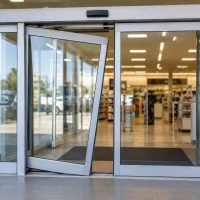
Automatic doors are a familiar feature of grocery stores, pharmacies, shopping centers, and other retail businesses throughout Palmdale. Shoppers expect them to open and close safely as they enter or leave a building, often while carrying purchases, pushing shopping carts, or accompanying children. When an automatic door malfunctions, an ordinary shopping trip can end with a serious injury.
A sliding door that closes on someone passing through an entrance or a swinging door that opens unexpectedly can cause serious injuries, particularly when the impact results in a fall. Injured individuals may face extensive medical treatment without knowing why equipment they reasonably expected to operate safely had malfunctioned.
Following an injury caused by a malfunctioning automatic door, an experienced Palmdale premises liability lawyer can investigate whether equipment defects or inadequate maintenance led to the accident.
How Defective Automatic Doors Cause Injuries
Automatic sliding doors can close before someone has completely passed through an entrance, striking the shoulder, arm, or upper body. Shoppers pushing carts or carrying merchandise may have difficulty moving out of the way, while individuals using mobility aids may become trapped between closing doors.
Automatic swinging doors present different hazards. When a door opens unexpectedly or moves too quickly, it can strike someone approaching the entrance or standing within its path. Sudden stops or unexpected reversals in door movement can also cause someone to lose their balance while passing through.
Older adults and individuals with limited mobility may be particularly vulnerable to injuries involving automatic doors. Even a relatively minor impact can cause someone to fall onto a hard retail floor, resulting in a broken hip, wrist fracture, or traumatic brain injury. Recovery may involve hospitalization, rehabilitation, and a prolonged loss of independence.
Sensor Failures and Mechanical Problems
The safe operation of many automatic doors depends on sensors that detect pedestrians approaching or occupying an entrance. Motion sensors typically activate the opening mechanism, while presence sensors are designed to prevent unsafe door movement when someone remains within the detection area.
Misaligned sensors, damaged wiring, improper calibration, and electrical problems can interfere with pedestrian detection. Mechanical defects involving motors, rollers, and door control systems can also affect the speed and timing of door movement. People moving slowly through an entrance may be particularly vulnerable when the equipment fails to register their presence.
Intermittent malfunctions can be difficult to anticipate. An automatic door may operate normally as several customers pass through before closing unexpectedly on someone entering the store. Normal operation following an accident does not rule out an earlier sensor or mechanical failure.
Retail Store Inspections and Maintenance Responsibilities
Under California Civil Code § 1714 and established premises liability principles, retail businesses must exercise reasonable care in the management and maintenance of their property. Maintaining reasonably safe entrances includes taking appropriate steps to discover equipment problems that could make an entrance unsafe for public use.
Industry standards, including ANSI/BHMA A156.10 for power-operated pedestrian doors, address safety features and operating characteristics intended to reduce the risk of accidents. The American Association of Automatic Door Manufacturers (AAADM) recommends daily safety checks by property operators and annual inspections by certified inspectors. The standards and maintenance procedures applicable to a particular door depend on its design and operating system.
Entrances at busy Palmdale retail stores may experience hundreds of opening and closing cycles throughout the day. Regular safety checks can reveal irregular door movement, problems with pedestrian detection, and changes in opening or closing speed. Periodic professional servicing allows technicians to assess components that may deteriorate through repeated use.
Prior Complaints and a Retailer’s Knowledge of Door Malfunctions
Problems with automatic doors sometimes develop gradually. Employees may notice doors hesitating during operation, while customers may report being struck or having difficulty passing through an entrance. Earlier complaints may establish that store management was aware of an operational problem before an accident occurred and had an opportunity to address it.
Under California premises liability law, actual notice exists when a property operator knows about a dangerous condition. Constructive notice may arise when the condition has existed long enough that reasonable inspections or other precautions should have led to its discovery. The absence of a formal customer complaint does not necessarily relieve a retailer of responsibility for a discoverable hazard.
When employees report recurring problems, management may need to arrange repairs or temporarily restrict access to the affected entrance. Keeping a malfunctioning door in operation while awaiting service can place anyone using the entrance at risk of injury.
When Maintenance Companies May Share Responsibility
Retail businesses frequently rely on outside contractors to install, inspect, and repair automatic doors. Although store operators have an obligation to maintain reasonably safe premises, maintenance companies may also be responsible for injuries resulting from negligently performed work.
Improper sensor calibration, incorrectly installed replacement components, or inadequate repairs can compromise the safe operation of an automatic door. A technician who overlooks a detectable defect during an assigned inspection or incorrectly adjusts the closing mechanism may compromise the safety of an otherwise accessible entrance.
Service agreements can help establish the scope of a contractor’s responsibilities, including whether the company was hired to perform preventive maintenance or respond to specific repair requests. When negligent maintenance and inadequate property management both contribute to an accident, more than one party may bear responsibility for the resulting injuries.
Evidence That Can Establish How the Accident Occurred
Surveillance footage from a retail entrance may capture the unexpected door movement and the moment of impact. Recordings of earlier activity may also reveal irregular operations that went unnoticed by employees. Photographs of the entrance and statements from witnesses can provide further details about the circumstances of the accident.
Inspection checklists, repair invoices, technician reports, and internal maintenance requests can document the condition of the equipment leading up to the injury. Service records may reveal whether a recurring problem remained unresolved or whether recent work affected the door’s operation.
Preserving evidence promptly can be particularly important when automatic door malfunctions are involved. Surveillance footage may be overwritten, and subsequent repairs can alter the condition of sensors or mechanical components. A technical examination of the equipment may be necessary to identify the operational failure that caused the injury.
Compensation After an Automatic Door Injury in Palmdale
An injury sustained at a retail entrance can disrupt nearly every aspect of a person’s daily life. Fractures, head injuries, and damage to joints or soft tissue may require extensive medical treatment and physical therapy. During recovery, injured individuals may be unable to return to work, care for family members, or participate in activities they previously enjoyed.
When negligence is a substantial factor in causing an automatic door injury, California law allows injured individuals to seek compensation for their resulting losses. Recoverable damages may include medical expenses, lost earnings, diminished future earning capacity, and pain and suffering.
A Palmdale premises liability lawyer can assess the full extent of your losses, including the financial and physical consequences that may continue well beyond the initial recovery period.
Contact Kistler Law Firm
An injury caused by a malfunctioning automatic door can leave you dealing with painful medical treatment, unexpected expenses, and uncertainty about your recovery. You should not have to shoulder the financial consequences of an accident caused by someone else’s negligence.
If you or a loved one was injured by a malfunctioning automatic door at a retail store in Palmdale, Lancaster, or elsewhere in the Antelope Valley, contact Kistler Law Firm. Our experienced Palmdale premises liability lawyer can hold negligent store operators and maintenance companies accountable and fight for the compensation you deserve under California law. Contact us today to schedule a consultation.
